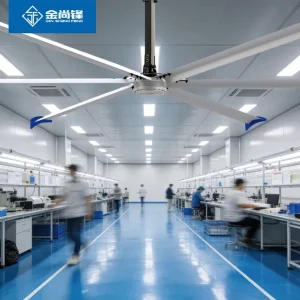
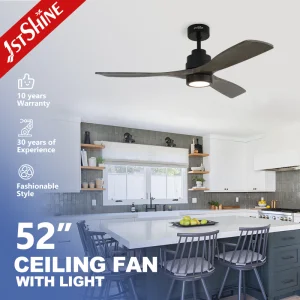
Explore engineered products blending advanced sensor technologies, energy-optimized brushless motors, and commercial-grade lighting.
A deep technical analysis of motion sensing technology integration within lighting and HVAC architectures, driving a projected 45% decrease in micro-space operational energy expenditure.
In modern industrial, commercial, and smart-home design, the convergence of motion-sensing lighting and air movement solutions has transitioned from a high-tier option to a foundational energy-efficiency standard. As global regulations like the European Union's ErP Directive and North America's Energy Star tighten standby energy allowances, the capacity of motion sensors to dynamic regulate ambient assets is vital. Integrating Passive Infrared (PIR), Microwave Radar, and ultrasonic tracking configurations directly into air-circulation systems is one of the most effective strategies for cutting operational overheads.
The core technological premise relies on simultaneous occupancy logic. In conventional structures, lighting and ventilation run independently on fixed schedules or manual controls, causing major energy losses in unoccupied spaces. Smart occupancy architectures integrate detection logic, allowing a single integrated sensor module on the ceiling fan or light fixture to detect presence, direction, and speed of motion, automatically managing both HVAC air speed and LED illuminance. Advanced sensor-embedded appliances reduce the dynamic standby operational draw to under 0.5 Watts when a zone is clear, matching green building protocols globally.
Differentiating human occupancy from thermal currents caused by ventilation is key. Our factory utilizes multi-sensor algorithms to filter out false alerts, maximizing reliability.
Custom LED drivers support dynamic dimming from 1% to 100% via PWM signals, adjusting automatically to ambient light levels and occupancy data.
Designed using smart-logic standby IC controllers that decouple key components from mains power during long periods of zero activity.
Understanding the physics of detection to optimize your sourcing decisions.
When procurement managers choose motion-sensor lighting and smart appliances, selecting the right sensor type determines long-term field stability. Each technology has its own strengths and limitations based on environmental factors, range requirements, and structural interference.
| Sensing Technology | Physical Principle | Optimal Operating Environments | Key Limits / Factors | Applicability in Integrated Fan-Lights |
|---|---|---|---|---|
| Passive Infrared (PIR) | Measures changes in ambient thermal signature. | Residential bedrooms, indoor offices, localized zones. | Relies on direct line-of-sight; performance drops in high ambient temperatures. | Excellent for target light activation and energy cutoff in living spaces. |
| Microwave Radar | Emits high-frequency waves (5.8GHz) and checks frequency shifts (Doppler effect). | Large warehouses, high-ceiling retail malls, open garages. | Can pass through thin walls, potentially causing false triggers in busy areas. | Ideal for industrial HVLS fan configurations and warehouse corridor systems. |
| Ultrasonic | Sends high-frequency sound waves, measuring reflection time. | Restrooms, compartmentalized offices, high-partition zones. | Easily blocked by ambient acoustic noise or air turbulence. | Best suited for static environments with minimal direct wind flow. |
For smart ceiling fans and integrated light configurations, a hybrid design often works best. Incorporating PIR sensors handles close-range presence checks, while microwave radar units cover wide commercial areas. Our R&D department calibrates each sensor to prevent interference from the movement of the fan blades themselves, a common problem with lower-tier imports.
A deep dive into our manufacturing infrastructure, advanced engineering setups, and logistics workflows in the Guangdong industrial cluster.
Dongguan Fanpro Light Co., Ltd. is a professional ceiling fan manufacturer specializing in the design, development, and production of smart ceiling fans, DC motor ceiling fans, and energy-efficient air circulation solutions for residential, commercial, and hospitality applications. Established in 2012, the company is located in Dongguan, Guangdong, one of China's leading manufacturing hubs, providing convenient access to global logistics networks and supply chains.
With a modern production facility covering more than 12,000 square meters and a workforce of over 180 skilled employees, Fanpro Light integrates product design, engineering, manufacturing, quality control, and international sales under one roof. The company operates multiple assembly lines and testing laboratories to ensure consistent product performance, durability, safety, and compliance with international standards.
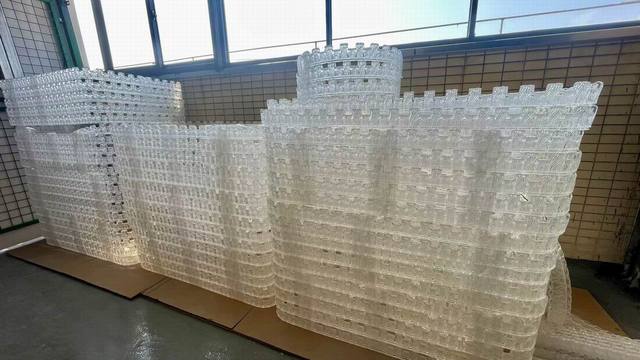

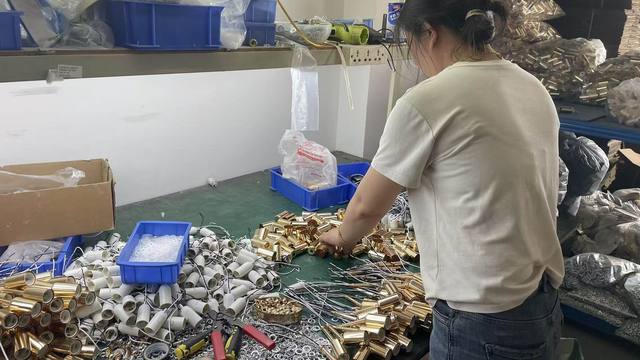

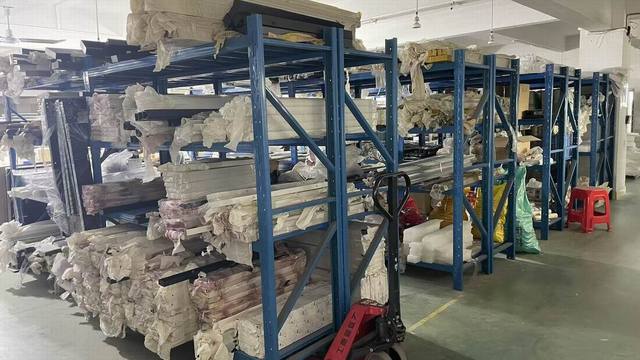


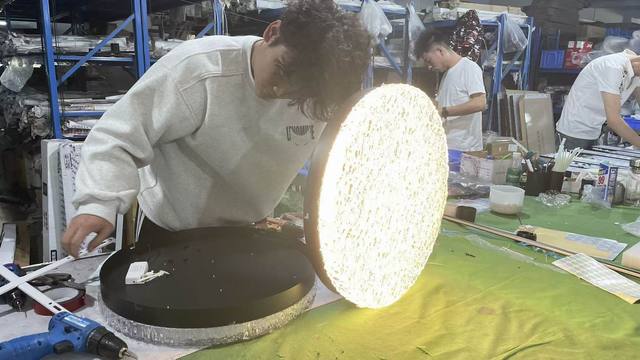

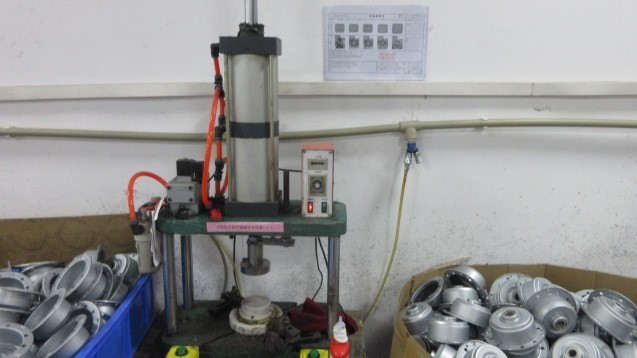
Fanpro Light offers a comprehensive range of ceiling fan solutions, including smart WiFi ceiling fans, DC motor ceiling fans, ceiling fans with LED lighting, low-profile ceiling fans, decorative ceiling fans, outdoor ceiling fans, and commercial air movement systems. The company continuously invests in motor technology, energy-saving innovations, and intelligent control systems to meet evolving market demands.
As an experienced OEM and ODM manufacturing partner, Fanpro Light supports customers worldwide with customized designs, private labeling, packaging solutions, and product development services. Its products are exported to North America, Europe, Australia, Southeast Asia, the Middle East, and other international markets.
Committed to quality, innovation, and long-term partnerships, Dongguan Fanpro Light Co., Ltd. strives to provide reliable ceiling fan products and flexible manufacturing solutions that help customers strengthen their competitiveness in the global marketplace.
Navigating electrical, safety, and ecological certification boundaries across major international markets.
Selling integrated lighting and sensor-controlled appliances globally requires meeting strict regulatory standards. These rules protect consumer safety, limit network interference, and reduce environmental impact. For bulk importers, non-compliant inventory can lead to customs holds, fines, or recalls. Our manufacturing processes include strict testing phases to confirm compliance across major regional regulatory frameworks.
Ceiling ventilation products must comply with UL safety standards, while integrated electronic control and wireless systems are certified under FCC limits for electromagnetic radiation.
Our smart controllers are RoHS compliant (free of hazardous substances) and fit CE guidelines. Active power controllers meet the latest standby energy limits under ErP rules.
Features insulation barriers and protective earthing points to meet Australian wiring safety rules, particularly for humid and warm coastal conditions.
Beyond basic safety testing, our localization program adjusts sensor and controller parameters to suit local electrical setups. We optimize RF frequencies (such as using 2.4GHz for smart Wi-Fi units or specified sub-GHz ranges for dedicated RF remotes) to avoid local interference, ensuring reliable operation across different regions.
How system designers use motion-sensing and smart airflow solutions across commercial and industrial environments.
Deploying smart sensor fixtures requires understanding how physical layouts affect sensor performance. Below are three common setups where integrating motion detection with air systems delivers clear benefits:
In large distribution facilities, aisles are often unoccupied for long stretches. Running lighting and high-volume ceiling fans constantly wastes significant energy. By installing microwave-radar fan-light combinations, zones light up and fans ramp up only when an order picker enters an aisle. This reduces idle energy use by up to 60% while maintaining air circulation.
For home use, quiet operation and safety are the top priorities. Low-profile ceiling fans with integrated PIR sensor light modules are ideal for bedrooms and hallways. These systems detect when someone gets out of bed at night and switch on low-intensity, glare-free ground lighting, providing safety without waking others.
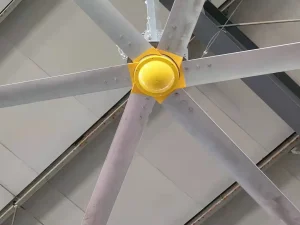
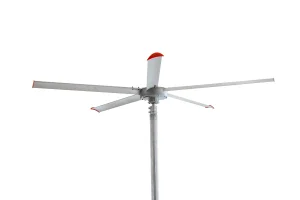
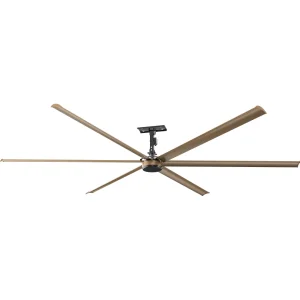
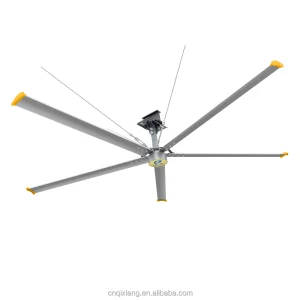
Shopping centers have changing foot traffic and high HVAC costs. High-Volume Low-Speed (HVLS) ceiling fans with integrated sensors help mix the air in large open spaces. Linking these units to the building's central HVAC system ensures airflow adjustments occur dynamically based on crowd movement, improving customer comfort and saving energy.
Answering key technical and logistical questions for global buyers, engineers, and brand managers.
This is a common issue with microwave radar and PIR sensors. Our engineering team solves this through physical shielding and firmware adjustment. We place the sensor module below the fan's motor housing and point it downward in a narrow detection cone. We also apply a software algorithm that filters out the rhythmic frequency of the rotating fan blades, ensuring the sensor only triggers for linear human movement.
Our brushless DC (BLDC) motors are built with double-sealed ball bearings and high-purity copper windings, offering a design lifespan of over 10 years under normal use. We provide a 5-year warranty on the DC motor and a 2-year warranty on the integrated LED drivers, sensor modules, and remote control receivers.
Yes. Our smart products can be configured to support popular communication protocols, including Wi-Fi (2.4GHz), Bluetooth Mesh, and Zigbee. They integrate easily with Amazon Alexa, Google Assistant, Tuya Smart, and various Building Management Systems (BMS) for commercial installations.
Operating from our 12,000 square meter factory, our team of 180+ workers runs multiple assembly lines, producing up to 45,000 units monthly. For custom OEM/ODM orders, our standard lead time is 35 to 45 days after design approval and receipt of deposit, while repeat orders can be completed in 30 days.
Every fan blade undergoes digital weight-matching before packing. We also run dynamic balance tests on every assembled motor drive unit on the production line. This process guarantees quiet operation (under 35dB for residential units), preventing wobble and reducing stress on the mounting brackets.
Industrial-grade components, energy-efficient permanent magnet motors, and high-performance solutions for demanding workspaces.
 Fanpro Light