Best Ceiling Fans for Outdoor Use Can They Be Used Outdoors?

Time:2026-08-11 Author:Oliver
0%

When considering the best ceiling fans for outdoor use, one vital question arises: can ceiling fans be used outdoors? According to industry expert Michael Johnson, “Not all ceiling fans are made for outdoor conditions, but the right ones can enhance comfort significantly.” Many homeowners may overlook crucial factors when selecting outdoor ceiling fans. This can lead to dissatisfaction and even damage.

A recent report by the Home Improvement Research Institute revealed that high-quality outdoor ceiling fans can reduce energy costs by up to 25%. Ideally, these fans should be designed for exposure to the elements. Selecting the right materials and ratings is imperative.

While many fans are labeled as “outdoor,” not all can withstand humidity or rain. Choosing fans with a wet or damp rating can ensure durability. The investment in proper outdoor fans could save time and money in the long run. Reflecting on these considerations is essential for achieving comfort and efficiency in outdoor living spaces.
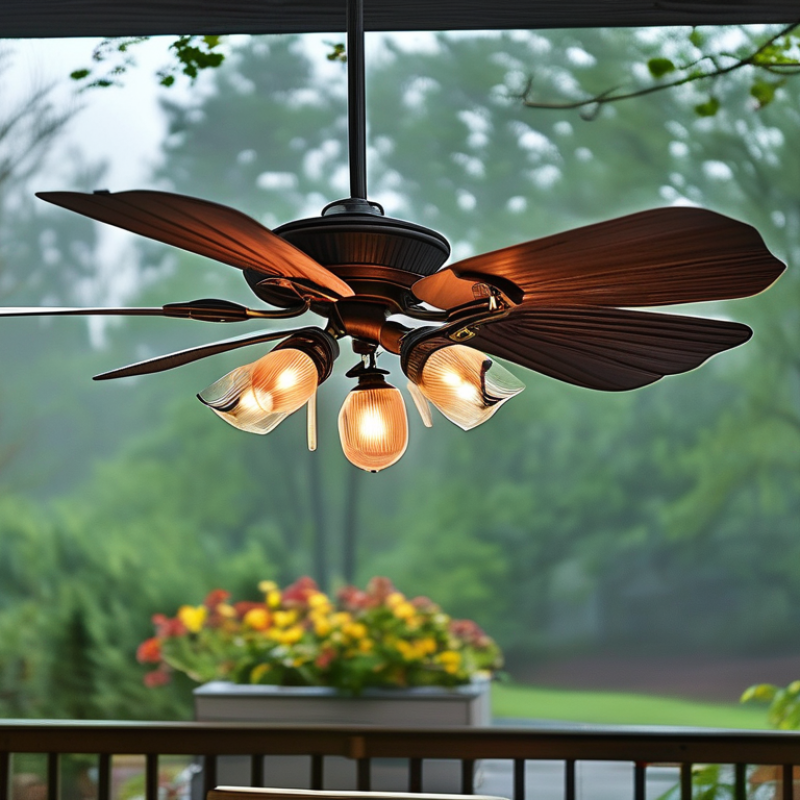
Best Ceiling Fans for Outdoor Use Can They Be Used Outdoors?

Best Ceiling Fans for Outdoor Use: Key Features to Consider

When selecting outdoor ceiling fans, it's crucial to examine specific features. Look for damp or wet rated fans. These designs are resilient against moisture. They can withstand rain or high humidity without damage. This rating ensures longevity and performance in various weather conditions.

Consider the fan's material. Stainless steel and weather-resistant plastics are ideal. Such materials resist rust and decay over time. Additionally, check the fan's airflow efficiency. Blades designed for outdoor use should move air effectively. The size of the fan is also essential. A larger space may need a more powerful fan.

Don't overlook the fan's noise level. Some fans can be surprisingly loud. A quiet operation can enhance your outdoor experience. Lighting features are another consideration. Integrated lights can add ambiance. However, ensure the light fixtures are also rated for outdoor use to prevent issues.

Are Ceiling Fans Designed for Outdoor Use Truly Weather-Resistant?

Outdoor ceiling fans add comfort and style, but not all fans are created equal. Are ceiling fans designed for outdoor use truly weather-resistant? The answer lies in their construction and materials. Many outdoor fans feature weatherproof components. These components resist moisture and UV rays. According to the American Lighting Association, a fan needs to be rated for wet or damp locations to endure outdoor conditions.

In terms of statistics, the U.S. Department of Energy highlights that a ceiling fan can decrease outdoor temperatures by several degrees. This is particularly valuable for patios or balconies in warmer months. However, if fans lack proper weather resistance, they can face deterioration. Metal components may rust, while electrical parts can fail. Choosing a fan with a minimum IP (Ingress Protection) rating of 55 ensures better protection against dust and water.

While many outdoor fans boast durability, not all perform well in real-world conditions. Some consumers report issues with rusting after heavy rainfall. Others have noted fans that struggle in humid climates. It's essential to read reviews and select models with reputable certifications. This way, you'll enjoy your outdoor space without worrying about a malfunctioning fan.

Comparative Analysis of Indoor vs. Outdoor Ceiling Fan Performance

When considering ceiling fans for outdoor use, it’s essential to analyze their performance compared to indoor models. Outdoor fans are designed to withstand changing weather conditions. They are typically constructed with materials that resist moisture and UV rays. This durability allows them to function efficiently in various outdoor settings like patios and porches.

In contrast, indoor ceiling fans may not have the same protective features. Using an indoor fan outdoors poses several risks. Exposure to humidity can damage internal components. Additionally, the lack of adequate ventilation might lead to overheating. Outdoor models also offer higher airflow to combat heat, which is crucial for comfort in open spaces. This difference in functionality can significantly impact your outdoor experience.

Choosing the right type of ceiling fan requires careful consideration. Many consumers overlook the critical elements of fan placement and size. An outdoor fan needs to be larger and more powerful to circulate air effectively. Evaluating these factors can prevent poor performance and dissatisfaction. It’s essential to balance aesthetics with functionality in outdoor spaces.

Top Outdoor Ceiling Fan Brands and Their Industry Ratings

When choosing ceiling fans for outdoor use, brand reputation and performance are essential. Research indicates that fans specifically designed for outdoor environments outperform regular indoor fans in durability and efficiency. According to a recent industry report, top outdoor ceiling fan brands achieve an average rating of 4.5 out of 5 from consumer reviews. These ratings are based on criteria such as weather resistance, airflow efficiency, and energy consumption.

**Tip:** When shopping, look for fans with corrosion-resistant materials. This ensures longevity in harsh weather conditions. Additionally, some brands offer designs that blend with outdoor aesthetics while providing efficient airflow.

It’s crucial to note that not all ceiling fans labeled “outdoor” are created equal. Some may only resist light moisture and not be suitable for wet or humid climates. A professional guideline suggests checking the fan's IP rating, which indicates its resistance to dust and water. Choosing options with high ratings—such as IPX4 or higher—enhances reliability and performance.

**Tip:** Consider fan size in relation to your outdoor space. A larger area benefits from bigger fans with broader blade spans for effective air circulation. Conversely, smaller spaces may require compact models for adequate airflow without overwhelming the environment.

Best Ceiling Fans for Outdoor Use - Performance Ratings

Installation Tips for Optimal Performance of Outdoor Ceiling Fans

When installing outdoor ceiling fans, optimal performance hinges on several key factors. Start by selecting a fan suitable for wet or damp locations. According to industry standards, using fans rated for outdoor use can prolong their lifespan. Installation should occur in a well-ventilated area to ensure maximum airflow. Proper placement is critical; ideally, fans should be mounted at least eight feet above the ground. This height ensures safety and enhances efficiency.

Wiring is another essential consideration. Outdoor fans often require GFCI outlets to prevent electrical hazards. An estimated 70% of fan-related accidents occur due to improper wiring. When tightening screws and mounting brackets, ensure everything is secure but take care not to overtighten, which can lead to damages. Using rust-resistant materials extends the longevity of your installation.

Lastly, regular maintenance is vital. Dust and debris can inhibit fan performance. Cleaning the blades and motor ensures a smoother operation. In fact, fans that receive regular upkeep last, on average, 25% longer than those neglected. Assess if your setup allows for easy access to fans for routine checks. Investing time in proper installation and maintenance can result in greater satisfaction and energy efficiency.

FAQS

: What features should I consider when selecting outdoor ceiling fans?

: Look for damp or wet rated fans that withstand moisture. Consider the materials, airflow efficiency, and fan size.

Are outdoor ceiling fans truly weather-resistant?

Yes, but it depends on their construction. Fans must have weatherproof components to handle moisture and UV rays.

How can I ensure the outdoor fan lasts in different weather?

Look for fans with a minimum IP rating of 55 for better dust and water protection. This helps avoid rust and failure.

Can outdoor ceiling fans reduce outdoor temperatures?

Yes, they can lower temperatures by several degrees, making them valuable for patios in warmer months.

Why should I read reviews before buying an outdoor fan?

Not all fans perform well in real conditions. Reviews can highlight issues like rusting or poor performance in humidity.

What materials are best for outdoor ceiling fans?

Stainless steel and weather-resistant plastics are ideal. They resist rust and decay over time, enhancing longevity.

How important is the noise level of an outdoor ceiling fan?

Some fans can be surprisingly loud. A quieter operation enhances your outdoor experience significantly.

Should I consider integrated lights in my outdoor fan?

Yes, but ensure the lights are rated for outdoor use to avoid potential issues with moisture.

How do I choose the right size fan for my outdoor space?

Larger areas need bigger fans with broader blades, while smaller spaces may require compact models for effective airflow.

What should I do if my outdoor fan has performance issues?

Reflect on the fan's weather rating and consider reaching out to the manufacturer for support or replacement options.

Conclusion

When considering outdoor comfort, many homeowners ask, "can ceiling fans be used outdoors?" The article explores the key features that distinguish outdoor ceiling fans from their indoor counterparts, emphasizing their weather-resistant designs essential for enduring varied climates.

Additionally, the article provides a comparative analysis of the performance differences, showcasing how outdoor fans are engineered specifically to withstand moisture and temperature fluctuations without compromising efficiency. It also highlights important installation tips to ensure optimal functionality and safety, ensuring that enthusiasts can enjoy their outdoor spaces year-round. Overall, understanding these aspects can help you select the best outdoor ceiling fan for your needs.

Oliver

Oliver

Oliver is a seasoned marketing professional with a wealth of expertise in driving brand awareness and engagement. With a deep understanding of our company's product offerings, he consistently delivers high-quality content that enriches our professional blog. His insights not only shed light on......